


• drinking

Health

Lose Belly Fat Fast While Working From Home: Realistic At-Home Advice

Remote work has changed the way many people eat, move, and rest. Without commuting or a structured office day, the temptation to snack endlessly grows stronger. Pair that with hours of sitting, and belly fat becomes an unwelcome guest. If you’ve been thinking about trimming down, knowing weight loss strategies is important. Additionally, you should know about how self-belief drives real health change, since mindset plays a major role in staying consistent and motivated.

Portion Control Without Losing Flavor

healthy food One of the most effective ways to slim down is portion control. You don’t need to eliminate favorite meals. You just need to manage them better. Smaller plates, pre-portioned snacks, or packing up leftovers before eating can make a big difference. According to nutrition experts, portion size is one of the strongest factors in weight management, regardless of diet style. Instead of cutting out pasta or rice, balance them with protein and vegetables. Over time, this approach helps reduce belly fat without making meals feel bland or restrictive.

Protein and Fiber Are Your Allies

A steady combination of lean protein and fiber-rich foods keeps hunger in check. Chicken, fish, beans, or tofu paired with greens or whole grains stabilizes blood sugar and keeps you full longer. A study from Harvard researchers explained that high-protein diets helped participants preserve lean muscle while reducing abdominal fat more effectively than low-protein diets.

Hydration as a Hunger Filter

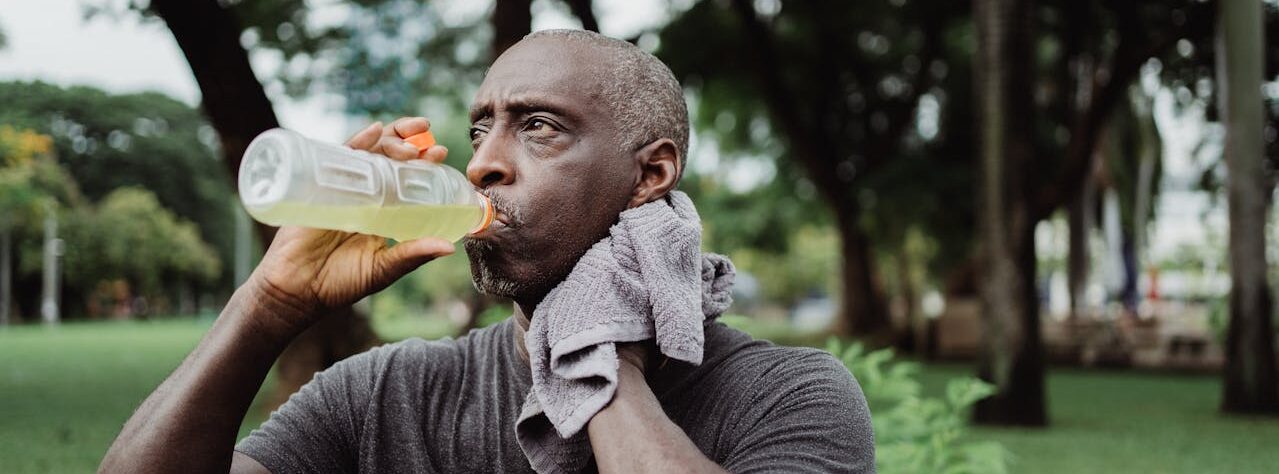
Thirst often masquerades as hunger. Staying hydrated prevents overeating and supports fat loss. Scientists swear by water intake before meals, as it naturally lowers calorie consumption. In one clinical trial, participants who drank water before eating consumed fewer calories and lost more weight over 12 weeks.

Movement Snacks Beat Long Workouts

exercise

You don’t need a hardcore gym session to see progress. Frequent, short bursts of activity are easier to stick with and burn calories effectively. Standing stretches during calls, push-ups before coffee, or brisk walks at lunch can keep metabolism active. According to the American Heart Association, even small bouts of physical activity add up to significant health benefits, especially for reducing belly fat. Consistency is more important than intensity, so focus on moving often, not just hard.

Mindful Eating for Real Control

Boredom eating is one of the sneakiest causes of belly fat during remote work. Mindful eating helps break the cycle. Slowing down, chewing thoroughly, and asking yourself if you’re truly hungry prevents unnecessary calorie intake. Many fitness enthusiasts highlight mindfulness as a cornerstone of long-term weight control. Taking even a few minutes away from screens to enjoy food creates awareness and improves satiety, making it harder to overeat.

Prioritize Sleep to Support Fat Loss

Sleep is often ignored in weight loss conversations, but it has direct effects on belly fat. Poor sleep increases cortisol, a stress hormone linked to abdominal fat storage. According to research published in Sleep Health, people who slept fewer than six hours per night gained significantly more visceral fat over time compared to those with consistent rest.

Losing belly …
Health

The Importance of Timing in Post-Workout Nutrition

When it comes to fitness, what you eat after a workout is just as important as the workout itself. The body enters a critical recovery phase once exercise ends, requiring the right nutrients at the right time to repair muscles, replenish glycogen, and restore energy. Experts often emphasize how smart nutrition accelerates recovery, especially when consumed within a specific window after training. This idea, sometimes referred to as the “anabolic window,” highlights the importance of timing in maximizing the benefits of protein, carbohydrates, and hydration. Missing this window or delaying nutrient intake can limit progress, leaving muscles sore and recovery slower than it needs to be. By understanding when to fuel the body post-workout, athletes and fitness enthusiasts alike can gain an edge in performance and long-term results.

Why Timing Matters After a Workout

exercisingDuring exercise, your body depletes glycogen stores, breaks down muscle fibers, and loses electrolytes through sweat. This leaves your muscles in a state that is highly receptive to nutrients. Scientists often refer to the period immediately after training as the “anabolic window”—a time when the body can absorb and use nutrients more efficiently. Eating the right foods at the right time helps maximize muscle protein synthesis, restore energy, and reduce fatigue.


The First 30 to 60 Minutes

The best time to refuel is within 30 to 60 minutes after finishing your workout. During this window, your muscles are most sensitive to insulin, which helps shuttle glucose and amino acids into muscle cells. Consuming a mix of protein and carbohydrates during this period ensures that glycogen is replenished quickly and that muscle repair begins immediately. Skipping or delaying this meal often results in prolonged soreness and slower recovery.

Protein Timing for Muscle Repair

Protein is essential for repairing and building muscle fibers that were stressed during exercise. Taking in protein soon after your workout stimulates muscle protein synthesis more effectively than if you wait several hours. Sources like whey protein shakes, lean chicken, fish, or plant-based options provide quick-digesting protein that delivers amino acids when your body needs them most.

Carbohydrate Timing for Energy Restoration

While protein rebuilds muscle, carbohydrates replenish glycogen levels. Eating carbs right after exercise helps restore energy stores and prevents fatigue during your next session. The timing of carb intake is especially important for athletes or individuals who train daily, as it ensures quicker recovery and sustained performance.

The Role of Hydration and Electrolytes

drinking

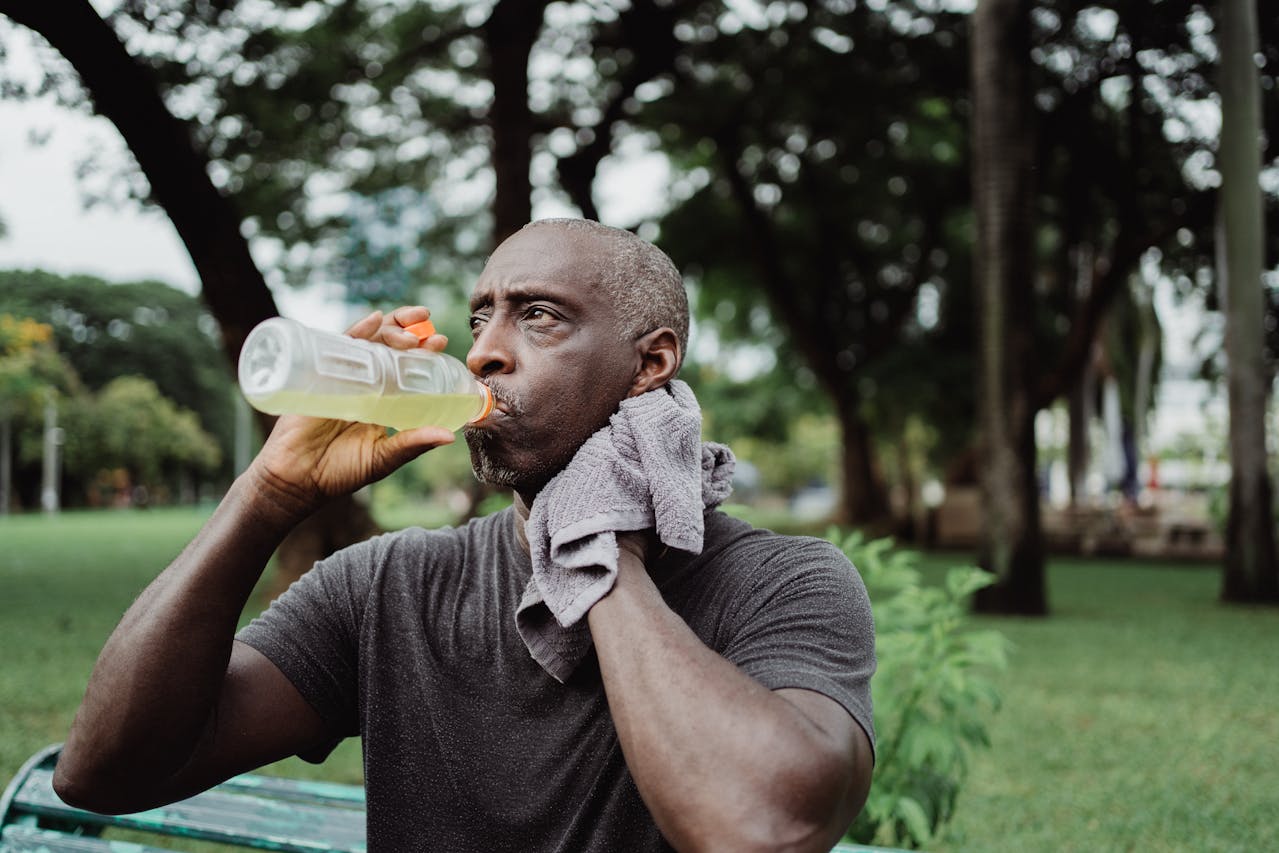
Nutrition timing doesn’t end with food. Rehydrating soon after exercise is equally important. Drinking water or electrolyte-rich beverages within the first hour helps restore balance, prevent cramps, and improve muscle function. Delaying hydration can lead to fatigue, slower recovery, and even impaired performance in subsequent workouts.

Long-Term Benefits of Proper Timing

Consistently eating within the optimal post-workout window not only supports immediate recovery but also enhances long-term performance. Athletes and fitness enthusiasts who prioritize timing often experience faster muscle growth, reduced soreness, and improved endurance compared to those who delay their nutrition.

The importance of timing in post-workout …

Health

Encouraging Safe Daily Activity in Seniors Without Hovering Over Them

Helping older adults stay active is important, but it requires balance. While physical activity improves strength, mobility, and mood, constant oversight can feel intrusive. Seniors value independence. They don’t want to feel like they’re being watched or evaluated at every step. Encouraging movement without hovering allows them to stay engaged in daily life while preserving dignity and control. Learning how to discreetly care for your elderly relatives can make all the difference in supporting their activities without diminishing their autonomy.

Understanding What Safe Activity Looks Like

Safe movement doesn’t always mean structured exercise. For many seniors, daily activities might include walking around the house, light gardening, or stretching while watching TV. What matters is consistency. Understanding your loved one’s current physical abilities helps set realistic expectations. Activities should build strength and confidence, not cause worry or fatigue. The key is to support motion that feels natural and achievable, not forced or unfamiliar.

Promoting Autonomy With Gentle Encouragement

Many older adults will do more when they feel they’re choosing it for themselves. Instead of telling them to take a walk, try inviting them for a stroll or suggesting an outdoor task. Framing movement as something enjoyable or purposeful makes it easier to embrace. Encouragement should sound like a suggestion, not a directive. A casual “I always feel better after stretching, want to join me?” goes further than reminding them it’s good for their health.

Creating a Home Environment That Supports Activity

fun

The layout of a home can influence how much someone moves during the day. Clear walking paths, stable furniture, and well-lit spaces make it easier to stay mobile. Items like grab bars, reach tools, or sturdy chairs with armrests can help maintain momentum while reducing risk. These small adjustments empower seniors to keep moving on their own. A safe, accessible space removes the need for constant supervision and builds confidence with each task completed independently.

Using Technology as a Passive Support Tool

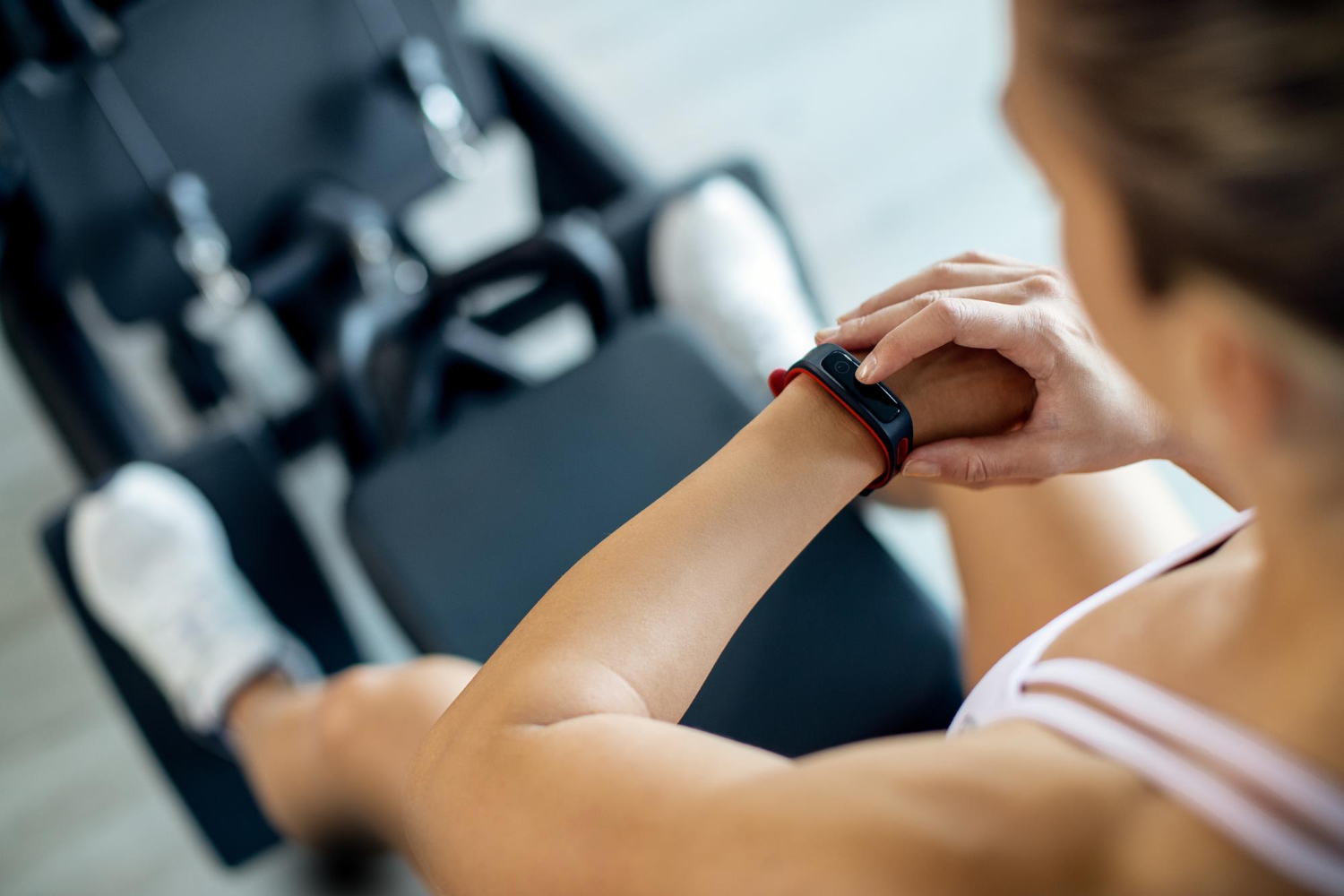
Smartwatches, step counters, or even motion sensors can help families stay lightly connected to their loved ones’ activity without intruding. These tools collect data without requiring active monitoring. They can track movement trends, remind users to move, or alert caregivers if there’s an unusual drop in activity. Used properly, they offer peace of mind without creating pressure. The goal isn’t to monitor every moment. It’s to ensure routines stay on track and identify any early signs of change.

Focusing on Enjoyment, Not Metrics

enjoyment

When physical activity becomes all about numbers or goals, it can feel stressful. Seniors may lose interest if they think they’re being judged. Instead, shift the focus toward enjoyment and well-being. Movement should be framed as a way to feel better, stay sharp, or enjoy the day, not something to be measured or tracked constantly. When activity feels rewarding on its own, consistency follows. The right approach helps seniors stay engaged because they want to, not because they’re being reminded.

Building Trust Through Steady Presence

Being nearby doesn’t have to mean hovering. A steady, calm …

Health

Addiction and Peer Pressure: Building Resilience and Assertiveness Skills in Adolescents and Young Adults

Peer pressure is a common challenge faced by adolescents and young adults, particularly concerning substance use and addictive behaviors. In this article, we’ll explore the dynamics of addiction and peer pressure, highlighting the importance of building resilience and assertiveness skills to navigate these influences in a friendly and informative tone.

Understanding Peer Pressure and Addiction

Peer pressure refers to the influence exerted by peers, friends, or social groups on an individual’s attitudes, behaviors, and decision-making. In the context of addiction, peer pressure can significantly impact substance use behaviors, leading to experimentation, misuse, and dependency. Alcohol & Drug Rehabs: Detox & Addiction Treatment Centers Near Me In California are integral in addressing the challenges posed by peer pressure and addiction among adolescents and young adults.

California, with its diverse population and vibrant social scenes, is particularly susceptible to peer pressure influences related to substance use. The presence of peer pressure can contribute to the initiation and escalation of addictive behaviors, including alcohol and drug use, gambling, and risky behaviors.

Building Resilience

Resilience is the ability to adapt, cope with challenges, and bounce back from setbacks. Developing resilience skills is crucial in empowering adolescents and young adults to resist negative peer influences and make healthy choices. Strategies for building resilience include:

  1. Self-awareness: Encouraging self-reflection, awareness of personal values, and understanding of one’s strengths and vulnerabilities.
  2. Coping Skills: Teaching effective coping mechanisms such as stress management, problem-solving, and emotional regulation.
  3. Social Support: Fostering positive relationships with supportive peers, family members, mentors, and role models who encourage healthy behaviors and decision-making.
  4. Goal Setting: Setting realistic goals, cultivating a sense of purpose, and maintaining motivation towards positive outcomes.

Assertiveness Skills

Assertiveness involves expressing one’s thoughts, feelings, and boundaries in a clear, confident, and respectful manner. Developing assertiveness skills empowers individuals to resist peer pressure, assert their values, and make informed decisions. Key components of assertiveness training include:

  1. Communication Skills: Practicing effective communication techniques, active listening, and expressing thoughts and feelings assertively yet respectfully.
  2. Setting Boundaries: Learning to set and enforce personal boundaries, saying “no” when necessary, and advocating for oneself in social situations.
  3. Decision-Making: Enhancing decision-making skills through critical thinking, weighing pros and cons, considering long-term consequences, and prioritizing personal values and goals.
  4. Role-Playing: Engaging in role-playing exercises to practice assertive responses to peer pressure scenarios, gaining confidence in assertive communication.

Empowering Adolescents and Young Adults

Empowering adolescents and young adults to resist peer pressure and make healthy choices requires a collaborative effort involving parents, educators, mentors, and community resources. Comprehensive approaches to addressing peer pressure and addiction include:

  1. Education and Awareness: Providing education on the risks of substance use, addiction, and the influence of peer pressure, promoting informed decision-making.
  2. Skill-Building Programs: Implementing resilience-building and assertiveness training programs in schools, youth organizations, and community settings.
  3. Supportive Environments: Creating environments that foster positive peer interactions, inclusivity, acceptance, and healthy social norms.
  4. Access to Resources: Ensuring access to counseling, support groups, mental health services, and addiction prevention programs for adolescents and young adults.

Navigating peer pressure and …

Health

How to Maintain Good Mental Health When Gambling

Step into the exhilarating gambling world, where anticipation and thrill intertwine with the chance to strike it big. While gambling can be an enjoyable pastime, it’s essential to maintain good mental health amidst the highs and lows that come with it. On the other hand, when picking an online casino to play in, there are tips that you must know. In this blog post, we will explore practical advice on keeping yourself in check while having fun at the casino or betting online. So, let’s dive right in and learn how to navigate this thrilling realm while safeguarding our mental wellness.

Set Limits

When it comes to gambling, setting limits is a crucial step in maintaining good mental health. Establishing boundaries helps you stay in control and prevents the excitement from spiraling into obsession. One effective way to set limits is by determining how much time you will spend on gambling activities each day or week. Allocate specific periods for indulging in your favorite games, whether it’s an hour after work or a few hours on the weekends. Stick to these predetermined time frames and resist the temptation to extend them. Another important limit to establish is your budget. Decide beforehand how much money you are willing and able to gamble with, considering your financial situation and responsibilities.

Budget Wisely

money When it comes to maintaining good mental health while gambling, one of the key factors is budgeting wisely. Managing your finances effectively can help alleviate the stress and anxiety that often accompany gambling. First and foremost, set a clear budget for yourself before you start playing. Determine how much money you will spend and always stay within that amount. This will prevent impulsive decision-making based on emotions or chasing losses. Another important aspect of budgeting wisely is keeping track of your wins and losses. By regularly monitoring your financial situation, you will have a better understanding of the overall picture and be able to make informed decisions about when to stop or continue playing.

Practice Self-Awareness

When it comes to maintaining good mental health while gambling, practicing self-awareness is crucial. Self-awareness involves being in tune with your thoughts, emotions, and behaviors regarding gambling. It means taking the time to reflect on how gambling affects you personally. One way to practice self-awareness is by paying attention to your feelings before, during, and after a gambling session. Are you feeling anxious or stressed? Or do you feel excitement and anticipation? Recognizing these emotions can help you understand how gambling impacts your overall well-being.

Seek Professional Help

therapist Seeking professional help is an essential step in maintaining good mental health when gambling. It can provide you with the necessary support and guidance to navigate through any challenges or difficulties that may arise. A qualified therapist or counselor can help you gain a better understanding of your emotions, thoughts, and behaviors related to gambling. They can assist you in developing coping strategies and healthier ways to deal with stress and anxiety. Additionally, they can provide …


Uncategorized

The Best Tips for Finding a Suitable Tennis Club

Do you love playing tennis? If so, you may be looking for a suitable tennis club to join. There are many different clubs, and deciding which is right for you can be challenging. That’s why we’ve put together this list of the best tips for finding a suitable tennis club. If you can’t find the best place in your city, check out the tennis courts in bethany beach and get ready for a great game.

Consider the Location

fieldThe location is one of the most important things to consider when looking for a suitable tennis club. If you want to be able to play regularly, your chosen club must be located within a reasonable distance of your home or workplace. It’s also worth considering how easy it will be for you to get to and from the club regularly.

Pay Attention to the Facilities

When looking for a suitable tennis club, consider the available facilities. Does the club have enough courts to accommodate all of its members? Are there enough seating areas or resting places for players when they’re not playing? Is there a clubhouse where players can relax after their games? Would other attractions, such as a swimming pool or cafe, make the club more attractive to you?

Children Programs

For those with children, you should look for a tennis club that offers a range of programs and activities specifically designed for them. These could include group lessons, tournaments, or fun social events. This can be a great way to get your child involved in the sport from an early age and ensure that they stay interested and motivated when it comes to playing tennis. In addition, having children’s programs at the club can be a great way for parents to meet other like-minded individuals.


Check Out the Coaches

gameFinally, it’s important to look at the coaches available at your chosen tennis club. Are they experienced and knowledgeable? Do they have a good reputation in the tennis community? Can they help you develop your skills and reach your goals as a player? All of these factors should be considered when selecting a suitable tennis club.


Tennis clubs can provide a great way to practice and improve your game and a fun social environment. By considering the location, facilities, children’s programs, and coaches available at your chosen club, you’ll be able to find one that best suits your needs. With these tips in mind, you’ll surely find the best tennis club for you. Good luck with your search, and happy playing.…

Health

Stand Up Paddle Boarding: The Great Way to Get Fit and Have Fun

Do you want to get fit and have fun? If so, stand up paddleboarding (SUP) is the perfect activity for you. SUP is a great way to get in shape and see some fantastic sights. It’s also a lot of fun. In this blog post, we will discuss SUP’s many benefits and tips on getting started. So what are you waiting for? Get out there and start paddle boarding.

They Help With Your Balance

SUPOne of the great things about SUP is that it helps improve your balance. This is because you constantly stand on the board and paddle, which requires a lot of core strength and stability.

In addition, the constant movement helps to improve your proprioception (sense of where your body is in space). It greatly benefits those who want to improve their balance and coordination.

They Help Reduce Stress Levels

Another great benefit of SUP is that it can help reduce stress levels. Being out on the water and in nature can be calming and relaxing. In addition, the paddling activity can also help release endorphins, which are known to improve mood and decrease stress levels. So if you’re looking for a way to relax and de-stress, stand-up paddle boarding is a great option.

They Are a Low Impact Exercise

stand up paddle boarding is a low-impact exercise, which is excellent for those looking for a workout that is easy on the joints. This is because when you paddle, you use your large muscle groups (arms, legs, back, and core) instead of putting stress on your joints. In addition, the water provides resistance without being too hard on your body. It makes SUP an excellent option for people of all ages and fitness levels.

They Exercise the Whole Body

paddlingAnother great benefit of SUP is that it exercises the whole body. This is because you use your arms, legs, back, and core muscles when you paddle. In addition, constant movement helps to improve cardiovascular fitness. So, stand-up paddle boarding is an excellent option if you want a workout to get your whole body moving.


SUP is a great workout and an enjoyable way to explore different waterways. If you’ve never tried it before, we highly recommend that you do. You may be surprised at how much fun you have on the water. Have you ever gone paddle boarding? What was your experience like?…

Technology

Ways AI Will Impact Healthcare in 2022 and Beyond

It’s no secret that artificial intelligence is changing the world as we know it. In almost every industry, AI is making its presence felt in one way or another. The healthcare sector is no exception. According to Camarillo podiatrist, we expect AI and other tech advancements to play an important role in healthcare over the next few years. Here are ways AI will impact healthcare in 2022 and beyond:

Developing Next-Generation Radiology Tools

One of the most promising applications of AI in healthcare is developing next-generation radiology tools. Currently, AI is being used to create more sophisticated and accurate diagnostic tools. For example, machine learning algorithms are being used to develop CT scan machines to detect cancerous tumors with greater accuracy. We can expect AI-powered radiology tools to become even more sophisticated and accurate in the future.

cat scan

Expanding Access to Healthcare

Another way AI will impact healthcare is by expanding access to healthcare. Currently, there are many areas of the world where access to quality healthcare is limited. However, with the help of AI, this is changing. For example, there are now AI-powered medical devices that can be used in remote areas to diagnose and treat patients. In the future, AI will continue to expand access to healthcare and make it more affordable.

Reducing Electronic Health Record Use

One of the most frustrating aspects of healthcare for both patients and doctors is electronic health records (EHRs). EHRs are often cumbersome to use and can be a significant source of frustration for both patients and doctors. However, AI is beginning to make a difference in this area. For example, there are now AI-powered EHRs that are much easier to use and can help reduce the burden on both patients and doctors.

Containing the Risk of Antibiotic Resistance

antibioticsAntibiotic resistance is a major global health problem. Every year, more and more bacteria become resistant to existing antibiotics. This is a significant problem because we are running out of effective treatments for bacterial infections. However, AI may be able to help in this area. For example, there are now AI-powered tools that can be used to identify new antibiotics. In the future, AI may be able to help us contain the threat of antibiotic resistance.


AI is going to play an increasingly important role in healthcare in the years to come. From expanding access to healthcare to reducing the burden of electronic health record use, AI is poised to make a major impact on the healthcare sector. So, what do you think? How will AI impact healthcare in your country in the years to come…

Health

Get Fit and Strong With Legal Steroids

If you are looking for a way to get fit and strong, then look no further. Legal steroids are the answer you have been searching for. This blog post will give you some information about legal steroids to help you achieve your fitness goals. It is important to note that not every person will respond well to these supplements, but if they work for you, nothing stops you from getting into shape!

Benefits of Using Anabolic Steroids

armsMany people today are dependent on supplements to have a fast-paced and healthy lifestyle. While some people take supplements for their health, others use them as performance enhancers to achieve specific goals with ease. Anabolic steroids or legal steroids can be considered one of the most common forms used by athletes worldwide today because it’s not illegal and can help achieve results faster with minimal effort. This can also boost energy levels through the supplementation of essential nutrients.

Legal steroids enhance mental focus, muscle mass, strength, and performance to give you that extra competitive edge over others in the gym or on the field of play!


Side Effects of Taking Anabolic Steroids

painOne of the side effects of taking anabolic steroids is that they can lead to liver damage. In many cases, liver disease and cancer have been linked to steroid use, even when the user did not take a very high dose or for extended periods. Even if you are healthy enough for steroid use, there is still a potential risk involved with using them because they alter your body’s natural hormone production. One of the side effects is that it can lead to testicular atrophy, which means your body will not produce as much testosterone naturally and may hinder your sexual functions due to this loss in hormones.


Females who take anabolic steroids are at risk of developing masculine traits like facial hair growth or deepening their voice. If genetically predisposed to these characteristics. Legal steroids are supplements that contain natural ingredients and trigger the same effects as anabolic-androgenic steroids, but without being chemically altered or synthetic substances. Professional athletes worldwide have used these legal steroid alternatives have been used for decades by professional athletes worldwide to increase muscle mass & strength while keeping their jobs in sports teams/leagues. This could also lead to the shrinking of testicles in men who have taken large doses over a long period. In some cases, this is permanent. In sporadic instances in which children take them at puberty, there may be problems with growth.

Legal steroids are popular for people who want to increase their muscle size and strength without using illegal substances. Knowing the different types of legal steroid supplements available, how they work, and what can experience side effects will help you make an educated decision about which supplement is suitable for your needs. If it sounds like this type of product may be beneficial to you, give it a try! Be responsible when taking these products by consulting with your …

Health

Various Types of Blood Donation

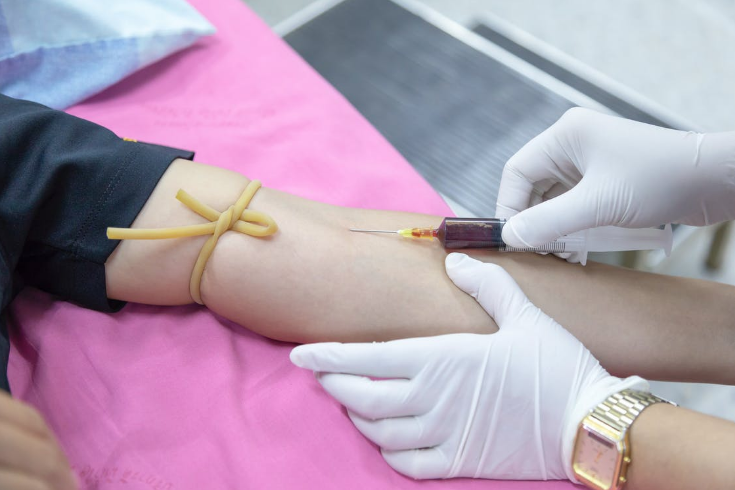
Your community blood center says that “1 unit of blood can save up to 3 lives.” Source says that donating blood has several health benefits for the donor too. When a person hears about blood donations, they may picture a phlebotomist drawing a pint of blood from them. What you may not know is that you can donate a specific element of your blood. Because blood is broken down into multiple components. Here are the various types of blood donation:

syringe

Whole Blood Donation

This one is the most common type of blood donation that many people envision whenever they hear someone donate blood. When individuals donate blood, they donate their parts on the spot, and they can be broken down in the lab of a blood bank. People can donate whole blood almost every eight weeks (about 56 days).

Red Blood Cell Donation

Unlike donating a blood unit with its elements, this type of blood donation involves donating two components of red blood cells. Once the blood is collected, the red blood cells are separated from the other blood components in situ, and the other elements are “returned” to the donor’s entire body. Patients with chronic anemia, trauma, or internal injuries benefit most from red blood cell donation. People with type O blood are encouraged to donate red blood cells.

Due to the nature of this type of blood donation, additional requirements are needed to qualify for this type of blood donation. This form of blood donation takes 30 minutes longer than donating blood. A person can donate twice as many red blood cells every 16 weeks or so.

Platelet Donation

If someone participates in platelet donation, some plasma may be collected while platelets are being collected. This form of blood donation takes about 1.5 to 2 hours. Typically, someone may donate platelets three times, although platelet donors usually donate every two months (up to 13 times per year).

Plasma Donation

Plasma can be a very desirable part of blood vessels, as most of the healing elements of blood are found in plasma. You can donate only plasma or plasma and some platelets at the same time. If you donate plasma, it will not be used unless you donate it multiple times over a 6-month period (the first time is used for a safety screening to see if it can be used for donation). For first-time donors, the process takes about 2-3 hours, while veteran donors take about 90 minutes. A person can donate plasma up to 24 times a year, three times each or twice a week.…