

Helping older adults stay active is important, but it requires balance. While physical activity improves strength, mobility, and mood, constant oversight can feel intrusive. Seniors value independence. They don’t want to feel like they’re being watched or evaluated at every step. Encouraging movement without hovering allows them to stay engaged in daily life while preserving dignity and control. Learning how to discreetly care for your elderly relatives can make all the difference in supporting their activities without diminishing their autonomy.
Understanding What Safe Activity Looks Like
Safe movement doesn’t always mean structured exercise. For many seniors, daily activities might include walking around the house, light gardening, or stretching while watching TV. What matters is consistency. Understanding your loved one’s current physical abilities helps set realistic expectations. Activities should build strength and confidence, not cause worry or fatigue. The key is to support motion that feels natural and achievable, not forced or unfamiliar.
Promoting Autonomy With Gentle Encouragement
Many older adults will do more when they feel they’re choosing it for themselves. Instead of telling them to take a walk, try inviting them for a stroll or suggesting an outdoor task. Framing movement as something enjoyable or purposeful makes it easier to embrace. Encouragement should sound like a suggestion, not a directive. A casual “I always feel better after stretching, want to join me?” goes further than reminding them it’s good for their health.
Creating a Home Environment That Supports Activity
The layout of a home can influence how much someone moves during the day. Clear walking paths, stable furniture, and well-lit spaces make it easier to stay mobile. Items like grab bars, reach tools, or sturdy chairs with armrests can help maintain momentum while reducing risk. These small adjustments empower seniors to keep moving on their own. A safe, accessible space removes the need for constant supervision and builds confidence with each task completed independently.
Using Technology as a Passive Support Tool
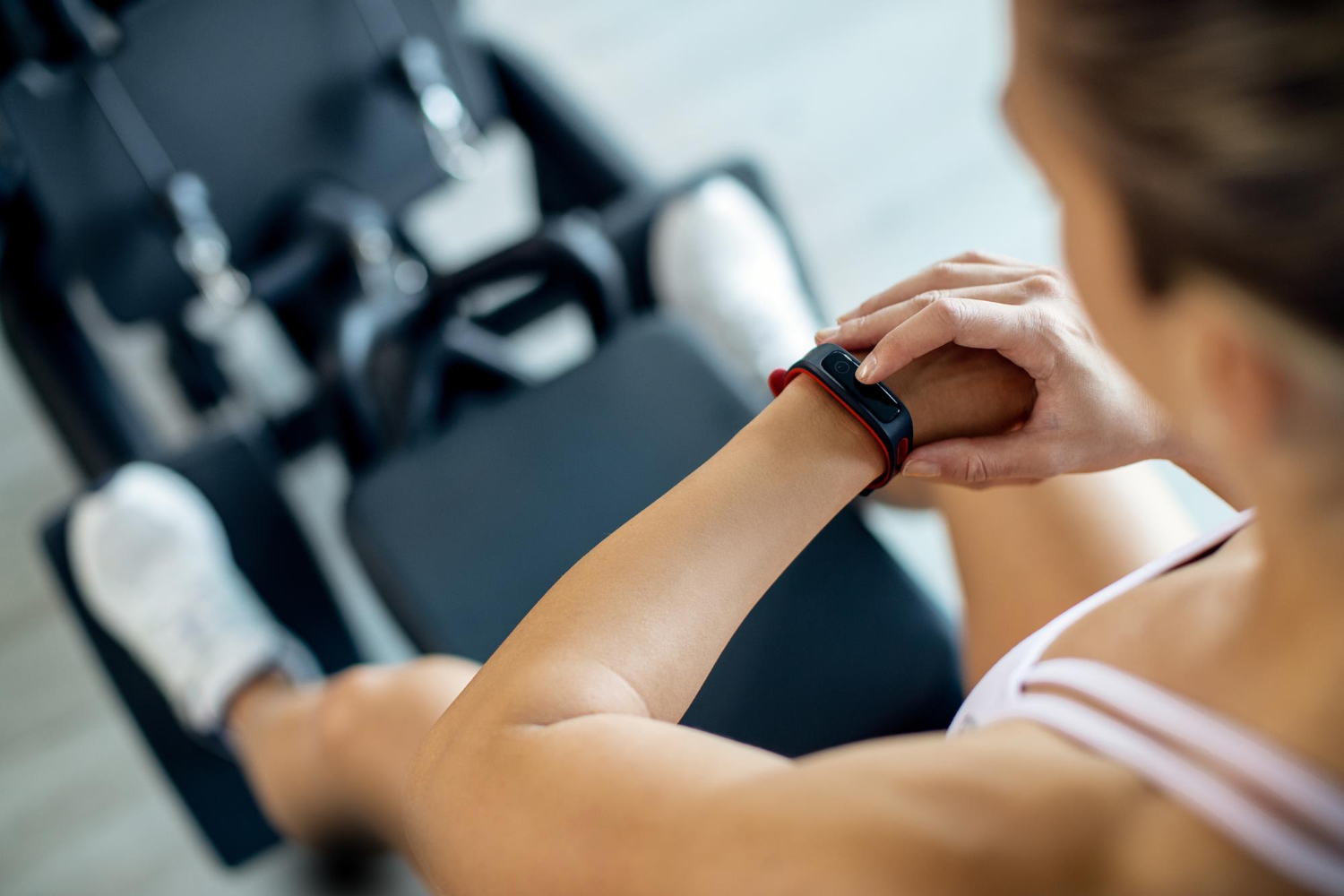
Smartwatches, step counters, or even motion sensors can help families stay lightly connected to their loved ones’ activity without intruding. These tools collect data without requiring active monitoring. They can track movement trends, remind users to move, or alert caregivers if there’s an unusual drop in activity. Used properly, they offer peace of mind without creating pressure. The goal isn’t to monitor every moment. It’s to ensure routines stay on track and identify any early signs of change.
Focusing on Enjoyment, Not Metrics
When physical activity becomes all about numbers or goals, it can feel stressful. Seniors may lose interest if they think they’re being judged. Instead, shift the focus toward enjoyment and well-being. Movement should be framed as a way to feel better, stay sharp, or enjoy the day, not something to be measured or tracked constantly. When activity feels rewarding on its own, consistency follows. The right approach helps seniors stay engaged because they want to, not because they’re being reminded.
Building Trust Through Steady Presence
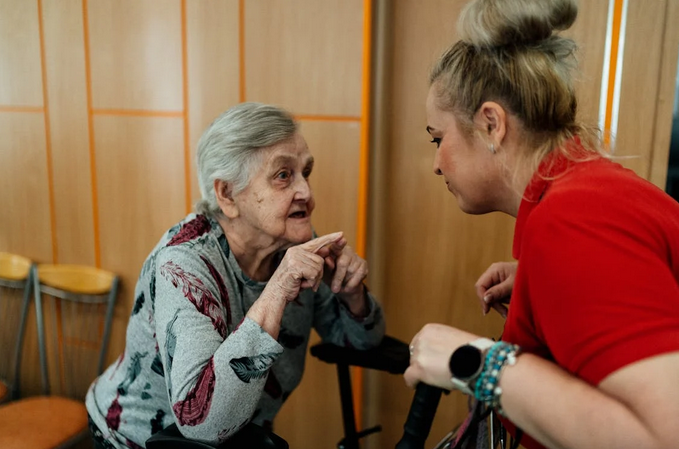
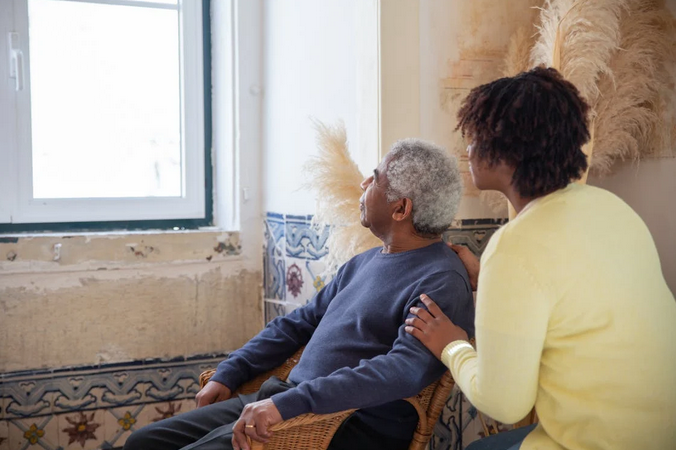
Being nearby doesn’t have to mean hovering. A steady, calm presence can be enough. Checking in with care, not criticism, shows respect. Instead of asking whether they exercised today, ask how their body feels. Rather than focusing on what they didn’t do, ask what felt good to move or stretch. These types of conversations build trust. They ensure that your support feels like encouragement, not oversight. And trust is what makes long-term involvement sustainable.
Helping seniors stay active without micromanaging requires patience, creativity, and respect. The aim is to encourage motion while allowing space. Every senior is unique. What works for one may not work for another. But with a supportive environment, the right tools, and gentle communication, it’s possible to promote safe activity without overwhelming them.