


Ways AI Will Impact Healthcare in 2022 and Beyond
It’s no secret that artificial intelligence is changing the world as we know it. In almost every industry, AI is making its presence felt in one way or another. The healthcare sector is no exception. According to Camarillo podiatrist, we expect AI and other tech advancements to play an important role in healthcare over the next few years. Here are ways AI will impact healthcare in 2022 and beyond:
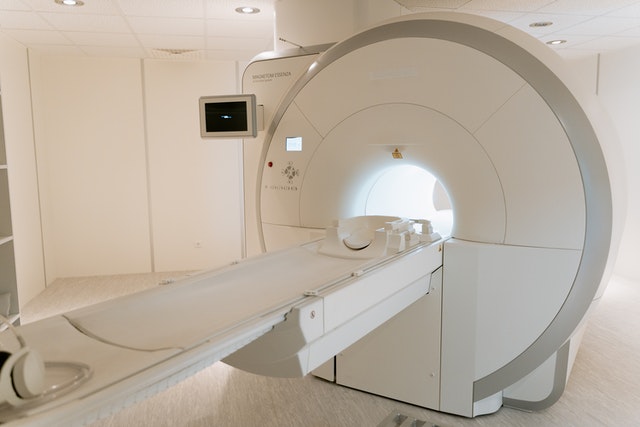
Developing Next-Generation Radiology Tools
One of the most promising applications of AI in healthcare is developing next-generation radiology tools. Currently, AI is being used to create more sophisticated and accurate diagnostic tools. For example, machine learning algorithms are being used to develop CT scan machines to detect cancerous tumors with greater accuracy. We can expect AI-powered radiology tools to become even more sophisticated and accurate in the future.
Expanding Access to Healthcare
Another way AI will impact healthcare is by expanding access to healthcare. Currently, there are many areas of the world where access to quality healthcare is limited. However, with the help of AI, this is changing. For example, there are now AI-powered medical devices that can be used in remote areas to diagnose and treat patients. In the future, AI will continue to expand access to healthcare and make it more affordable.
Reducing Electronic Health Record Use
One of the most frustrating aspects of healthcare for both patients and doctors is electronic health records (EHRs). EHRs are often cumbersome to use and can be a significant source of frustration for both patients and doctors. However, AI is beginning to make a difference in this area. For example, there are now AI-powered EHRs that are much easier to use and can help reduce the burden on both patients and doctors.
Containing the Risk of Antibiotic Resistance
 Antibiotic resistance is a major global health problem. Every year, more and more bacteria become resistant to existing antibiotics. This is a significant problem because we are running out of effective treatments for bacterial infections. However, AI may be able to help in this area. For example, there are now AI-powered tools that can be used to identify new antibiotics. In the future, AI may be able to help us contain the threat of antibiotic resistance.
AI is going to play an increasingly important role in healthcare in the years to come. From expanding access to healthcare to reducing the burden of electronic health record use, AI is poised to make a major impact on the healthcare sector. So, what do you think? How will AI impact healthcare in your country in the years to come…

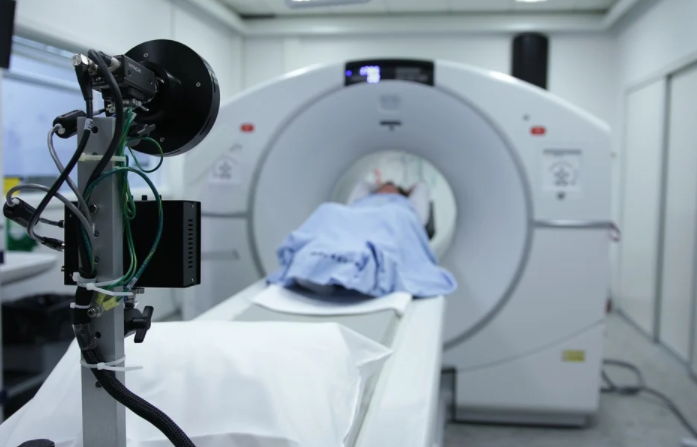
 A.I. may not be a high priority, and implementation may be slow, mainly because of cost. Only 12% of wellness programs said they have introduced A.I. for cancer treatment or are more likely to be implemented in 2018. In general, it is emphasized that radiologists are more likely to be replaced by A.I. equipment. Still, A.I. could improve the doctor-patient relationship by freeing up time that is not substantially available to doctors to spend more time with victims.